Español

How to make well-made miniature bases
- 05/14/2026 08:00:36
- Home , Assembly and Painting Guides
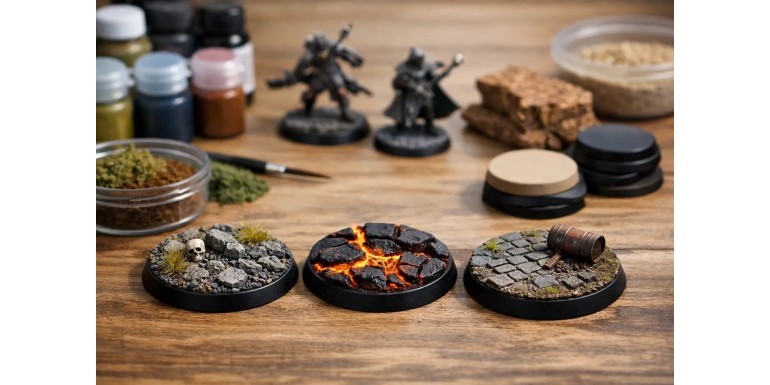
A well-painted miniature can feel unfinished if the base looks like an afterthought. It happens often: a beautifully detailed figure, careful highlighting, perfect metallics... and underneath, just plain black plastic or a purposeless layer of sand. If you're looking for how to make miniature bases, the good news is that you don't need to overcomplicate things to achieve a solid, cohesive result that works for both the tabletop and the display cabinet.
A base serves two roles simultaneously. First, the visual role: it frames the miniature, provides context, and helps the color scheme make sense. Second, the practical role: it protects the feet, improves stability, and, in skirmish or rank-and-file games, clearly identifies which unit the model belongs to. That’s why it’s best to think of it as part of the project rather than a rushed final step.
How to Make Miniature Bases Without Wasting Time
The first step is deciding the purpose of the base. A gaming miniature that will be handled, stored in cases, and moved across trays requires a different approach than a display piece. For tabletop gaming, you want durability, clear readability, and low volume so it doesn't interfere with movement or base contact. For display, you can afford more height, fragile elements, and a more narrative composition.
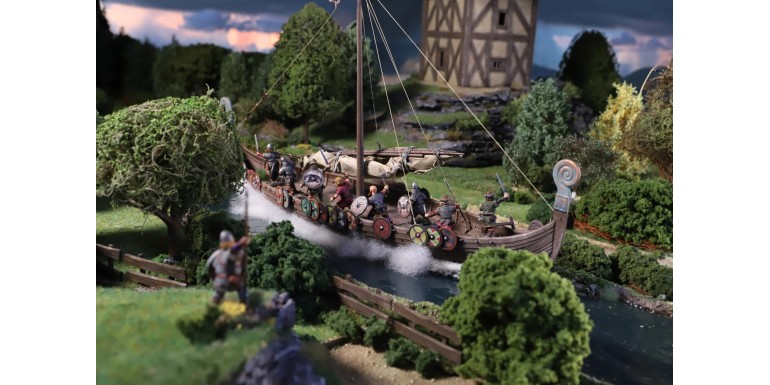
It’s also wise to define the environment before gluing anything down. Snow, mud, urban ruins, desert, forest, volcanic ash, or industrial flooring all work great, but each requires different materials and a paint job consistent with the miniature. If your color scheme is already busy, a restrained base usually works best. If the figure is monochromatic, the base can provide much-needed contrast.
Essential Materials: You don't need a full workshop. With basic bases, PVA glue (white glue) or cyanoacrylate (super glue), fine sand, cork, texture paste, small stones, and static grass or tufts, you can cover most styles. Then come the finishes: primer, acrylic paints, washes, drybrushing, and—for a professional touch—pigments or specific effects like snow, wet mud, or still water.
Pro Tip: The most common beginner mistake is mixing too many elements on one base. Sand, large gravel, a skull, a tuft, a puddle, a wooden plank, and red pigment might sound good individually, but together they rarely look natural. A base works best when it has a clear concept and uses two or three main materials.
The Basic Step-by-Step Process
1. Prepare the Surface: If the base is flat, you can work texture directly onto it or glue down "volume" elements first, like pieces of cork or stones. Cork is excellent for simulating broken rock or elevated terrain. Tip: Tear the cork with your fingers rather than cutting it with a blade to avoid unnaturally straight edges.
2. Apply the Base Material: For simple terrain, a mix of PVA glue and fine sand remains highly effective. It’s cheap and easy to paint. If you want more uniformity, texture paste saves time and offers better grain control—perfect for army projects where consistency is key.
3. Check the "Contact": Before priming, make sure the miniature actually looks like it’s standing on the ground. If the feet seem to float or sink illogically, the realism is lost. Always "dry-fit" the model before the final glue.
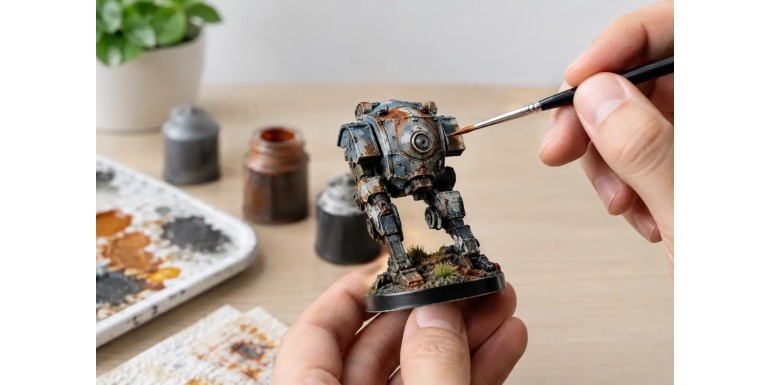
4. Painting: Start with a dark base color to provide depth. Layer up with mid-tones and finish with a crisp drybrush on the high points. For earth, use muted browns or warm greys. For stone, avoid using just plain grey—mix in some browns or greens to keep it from looking flat.
5. The Finishing Touches: A wash in the recesses, some pigment on the edges of a rock, or a well-placed tuft does more for a base than adding piles of extra "filler" material.
Choosing Your Terrain Type
-
Earth Bases: The most versatile. Fine sand, a few small pebbles, dark brown base, and a light drybrush. Add a grass tuft in a specific spot (not centered!) for a clean, functional look.
-
Rocky Bases: Usually built with cork, bark, or lightweight stones. Great for "heroic" poses. Just be careful with scale—if the rock is too big for the base, it becomes cumbersome during gameplay.
-
Urban/Industrial: Focus on geometry. Plasticard, broken tiles, mesh, and fine debris work better here than organic soil. Combine flat surfaces with details like rust streaks or weathered metal.
-
Snow and Desert: High impact but tricky. Snow can look like clumped baking soda if applied poorly, and deserts can look "dead" if painted in a single beige tone. These styles rely heavily on material quality and subtle color variation.
Common Mistakes to Avoid
-
Neglecting the Rim: You can have a masterpiece on top, but if the side of the base is messy or stained, the whole model looks unfinished. Painting the rim in a clean, solid color (like black or dark brown) instantly frames the work.
-
Scaling Issues: Gravel that looks "fine" in the jar can look like giant boulders on a 25mm base. Always ensure your materials match the scale of the miniature.
-
Over-saturating with Glue: Excessive moisture can warp thin layers or leave unwanted glossy patches. Use just enough to secure the material.
When to Use Specialized Products
While you can DIY a lot, specialized products are worth it for consistency. If you are basing an entire army, a high-quality texture paste or a dedicated basing set ensures every unit matches perfectly. In specialized shops like Terrainandminis, you can find materials specifically scaled for miniatures, saving you the headache of "improvising" with hardware store products that might not take paint well.
The Golden Rule: The base should speak the same language as the miniature. It shouldn't compete with the figure; it should complement it. When you look at the finished piece, everything should feel like it belongs to the same world.
If you’re just starting, don't aim for the "perfect" base on your first try. Pick a simple style, repeat it across a few models, and adjust as you go. Consistency makes an army look better than a single spectacular base ever could.