Español

Best miniature paints in 2026
- 05/13/2026 07:44:51
- Home , Assembly and Painting Guides
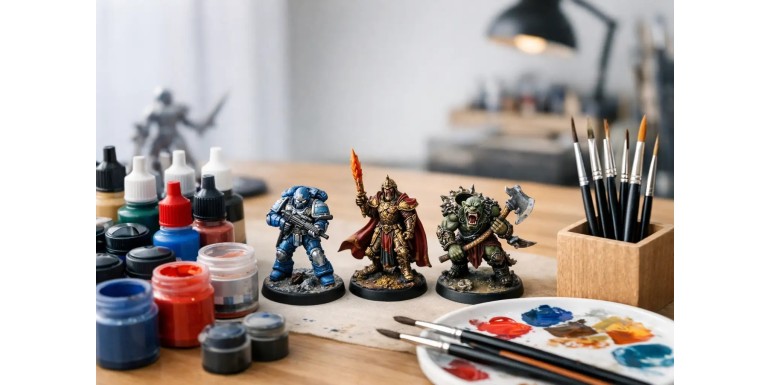
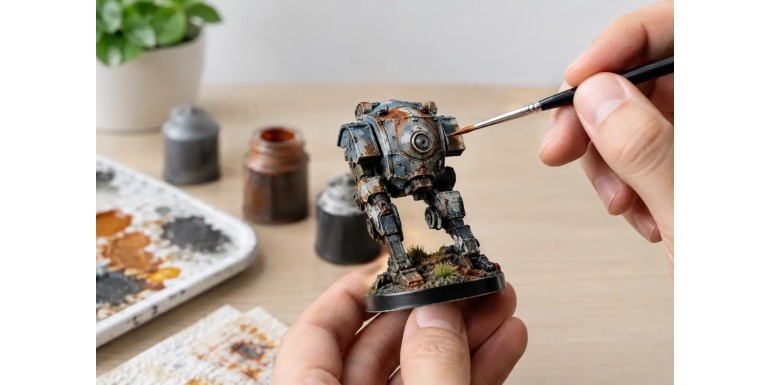
Not all paints behave the same when you’re deploying an army to the table, finishing a display piece, or trying to ensure a wash doesn’t ruin a shoulder pad. Talking about the best miniature paints isn't about choosing a "winning" brand; it’s about understanding what your painting style requires: real coverage, useful consistency, predictable finishes, and a range that doesn’t force you to fight every color.
What Makes a Good Miniature Paint?
The first major difference isn’t the brand name, but the type of work you want to do. A paint that is excellent for quick base coats might not be the best for thin glazes. Similarly, a range that is very convenient for batch-painting infantry might fall short if you’re looking for smooth transitions on skin, fabric, or Non-Metallic Metals (NMM).
In miniature painting, a good paint usually checks four boxes:
1. High pigment density to cover without leaving a thick texture.
2. Thinning capability without breaking the medium.
3. Controllable drying finish.
4. Batch consistency.
That last point seems minor until you buy a perfect red, run out, and discover the next bottle behaves differently.
Packaging also matters. Dropper bottles make it easier to measure, mix, and preserve paint. Flip-top pots might be faster for some, but they tend to dry out over time if the rims aren't kept clean. There’s no dogma here, but a practical reality: if you do a lot of mixing or use an airbrush, dropper bottles are usually more convenient.
Best Miniature Paints by Use Case
The most useful way to choose is by category rather than popularity. Within the world of miniature paints, some ranges excel at base coating, while others shine in glazing or quick effects.
Standard Acrylics for Base Coats and Highlights
These are the core of the hobby. If you paint warbands, armies, or scenery, this is where you’ll notice the difference between a "decent" paint and a truly comfortable one. The best standard acrylics offer great opacity in difficult colors—like yellow, off-white, or intense red—without becoming pasty.
-
Vallejo: Still a solid gold standard for many painters due to regularity. Model Color is perfect if you want control, historical tones, or a wide palette for mixing. Game Color is more geared toward fantasy, high saturation, and vibrant schemes.
-
Citadel: Maintains strong points in base coat coverage and a very clear "Paint System" for those who want to follow a color guide without overthinking. The trade-off is usually the pot format and a higher price point if you’re building a large collection.
-
AK Interactive & Scale75: AK offers versatile lines with colors expertly designed for both miniatures and scale modeling. Scale75 is famous for its ultra-matte finish, which many painters love for light control and photography, though it can be more demanding to master if you are used to more fluid paints.
Contrast, Speedpaints, and "One-Coat" Solutions
If your priority is getting miniatures on the table with a high visual standard in less time, this category has changed the hobby. These paints work best over light primers or "slapchop" (pre-shading) and combine base, shade, and highlights in a single application.
-
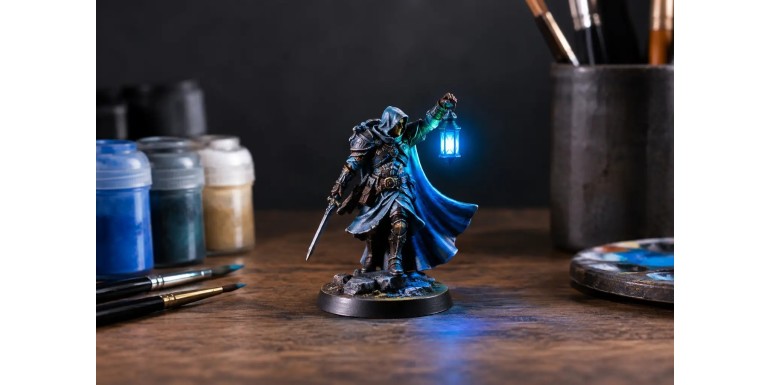
Citadel Contrast: Popularized the format and still has excellent colors, especially for skin, leather, and organic tones.
-
Army Painter Speedpaint: Has improved significantly, offering a very competitive alternative for batch painting.
-
Note: These don’t replace standard acrylics entirely. They are fantastic for textures like fur or wood, but on flat armor or large vehicles, they require a very steady hand to avoid pooling.
Metallics, Inks, and Washes
You have to be selective here. A bad metallic ruins a model quickly by leaving visible grains or failing to cover. Vallejo Metal Color (the airbrush line, though usable with a brush) offers some of the cleanest, most fluid metallics on the market.
For Washes and Shades, Citadel remains a benchmark for predictable behavior. A wash that is too glossy or too "dirty" can muddy the entire miniature, so finding a brand with the right surface tension is key.
Which Brand Fits Your Level?
-
Beginners: Don't look for the "pro" brand. Look for a range that is easy to use and forgiving. A mix of reliable standard acrylics and a few Speedpaints will serve you better than a massive collection of specialized colors.
-
Advanced Painters: You’ll start noticing nuances like matte finishes and true saturation after drying. This is where Scale75 or specific AK lines offer finer control.
-
Army Painters: If you’re painting volume, your priorities are bottle format, airbrush compatibility, and easy replacement of basic colors.
Common Mistakes When Buying Paint
1. Brand Loyalty: You don't need one brand to do everything. Most pros mix and match: one brand for skin, another for metallics, another for washes.
2. Judging by the Bottle: Some paints look thick but thin down beautifully on the palette. The real test is how they behave in two thin coats over a primed surface.
3. Ignoring the Finish: Mixing a satin black with a matte black creates visual inconsistency. Keep an eye on whether your paints dry matte, satin, or glossy.
Conclusion: Which Are the Best?
The best miniature paints are the ones that fit your specific workflow.
-
For a versatile base, go with Vallejo.
-
For a proven system and speed, go with Citadel or Army Painter.
-
For artistic control and matte finishes, try Scale75.
Don't look for the perfect brand—look for the combination that lets you paint with less friction. At specialized shops like Terrainandminis.com, you can find a curated selection of paints, textures, and effects to ensure your project looks cohesive from the first base coat to the final tuft of grass on the base.