Español

How to Choose an Online Miniature Store
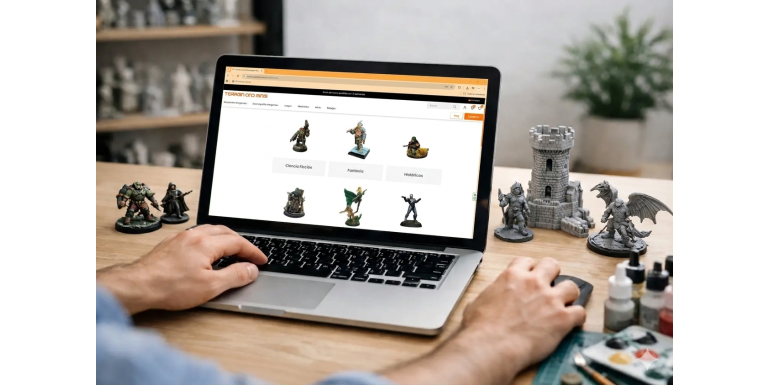
When a project grinds to a halt due to the lack of a specific primer, mud texture, or the correct base size, it’s not the hobby that’s failing—it’s the purchase. Choosing an online miniature store isn't just about finding attractive figures; it's about having access to a catalog that understands the workflow of wargaming, painting, and scenery enthusiasts.
1. What a Great Miniature Store Should Offer
The difference between a generalist store and a specialized one is immediate. A specialized store focuses on miniatures, terrain, and modeling, providing compatibility and useful categories that reduce the risk of buying items that don't fit your project.
-
Workflow Completion: Hobbyists rarely need just one box of miniatures; they often require primers, paints, basing materials, or supplies for delicate repairs.
-
Logical Cataloging: A well-designed site separates miniatures, scenery, paints, textures, and finishing materials (like water, snow, or vegetation effects) in a logical way that saves time and prevents errors.
2. The Value of the Ecosystem
A specialized store bridges the gap between buying a figure and achieving visual integration through color, basing, and terrain.
-
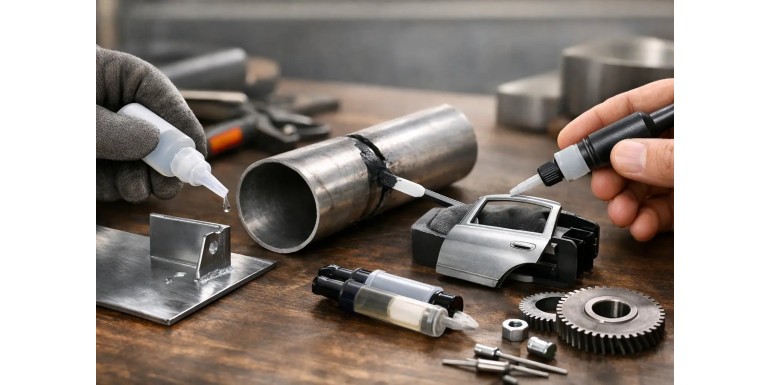
Practical Products: They offer items designed for real hobby use, such as snow effects with convincing scales or specific adhesives for resin, plastic, and metal.
-
Curated vs. Enormous: A curated catalog with coherent paint ranges and recognizable manufacturers is more useful than a massive, poorly filtered list of references.
3. Shopping by Project Type
Your priorities should change depending on how you engage with the hobby:
-
Gamers: Should prioritize speed in locating miniatures, bases, primers, and repair materials to avoid delays in tabletop use.
-
Painters & Dioramists: Should look for a wide variety of textures, pigments, and environmental details like artificial water or vegetation to build context.
-
Hybrid Users: Benefit most from stores that allow them to resolve miniatures, bases, and scenery in a single order.
4. Signs an Online Store "Gets" the Hobby
Look for these clear indicators that a store understands its users:
-
Hobby-Specific Language: Descriptions explain how a product is used on the table or the workbench rather than using generic text.
-
User-Focused Categories: You can move from miniatures to basing materials and finishing supplies intuitively.
-
Visible Specialization: Sites like terrainandminis.com view the hobby as a complete process rather than an isolated sale.
5. Common Mistakes to Avoid
-
Focusing Only on the Miniature: Forgetting support items like primers or basing materials fragments your project.
-
Ignoring Visual Scale: Mixing materials from general sources can result in a lack of consistency.
-
Impulse Buying Effects: Dramatic effects like snow or mud only work if they respond to the specific environment you are building.
-
Neglecting Maintenance: Failing to have repair and adjustment products on hand for delicate resin or scenery parts can be a costly mistake.
Ultimately, the best store is the one that lets you continue building, painting, and playing without unnecessary friction. When a store simplifies your life by speaking your language, it is doing its job well.