Español

Matte varnish for miniatures: how to choose it
- 05/21/2026 07:57:33
- Home , Assembly and Painting Guides
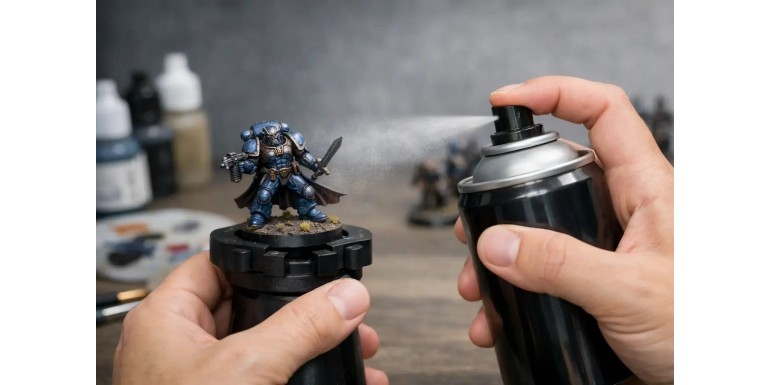
There are few things more frustrating than finishing a miniature, seeing it look perfect under your desk lamp, and then realizing the finish is way too shiny. Matt varnish for miniatures exists for exactly this reason: to protect your paint job and kill unwanted reflections without ruining the fine work you’ve put into layers, washes, and highlights. However, not all matt varnishes behave the same way, and that’s where you need to fine-tune your approach.
What Matt Varnish Actually Does for Miniatures
A matt varnish creates a protective layer over the paint and reduces surface shine. Its function seems simple, but it carries much more weight in miniature painting than in other forms of modeling. It doesn’t just help prevent chipping, minor scratches, or wear and tear from handling; it also changes how color, volume, and overall contrast are perceived on the figure.
When a miniature is too shiny, ambient light bounces off the wrong places. This flattens details, hides transitions, and can make a well-painted face or meticulously shaded armor lose its impact. A good matt finish restores visual control. The miniature looks better in a display case, but more importantly, it reads much better on the gaming table.
Even so, matt doesn’t always mean better for the entire surface. Some materials benefit greatly from retaining a bit of satin or gloss finish, such as wet leather, blood, lenses, gems, slime, polished metal, or wet surfaces. Applying matt varnish to the entire miniature without planning can leave the final result looking flat.
When to Use a Matt Varnish on Your Miniatures
-
For gaming miniatures: It is almost always worth it. If they are going to be handled, transported in trays, or moved from one game to another, the extra protection is vital.
-
To unify finishes: It’s also incredibly useful when you’ve used paints from different brands, as it helps even out the final look, preventing some areas from looking satin while others look completely dull.
-
For display pieces: It depends more on the result you are looking for. If you’ve painted fabrics, skin, stone, dirt, or wood, matt usually works beautifully. If the miniature has a lot of special effects or materials that should reflect light, the smartest move is to apply a matt varnish as a general base and then bring back selective shine to specific areas.
-
To integrate advanced techniques: You should also use it when you’ve applied decals, oils, fixed pigments, or weathering techniques that need to be locked in. The final finish unifies the whole piece—though it’s crucial not to overdo it here, as a layer that is too thick can soften textures or alter certain effects.
Types of Varnish: Which One Fits Your Workflow?
There is no single right answer here; it depends on your workflow, your climate, and the level of control you want. Matt varnish for miniatures usually comes in spray cans, airbrush formulations, or brush-on bottles. Each format has real advantages and clear limitations.
1. Spray Matt Varnish
It is fast, convenient, and highly practical when you are batch painting or want to cover entire squads. Properly applied, it leaves a uniform finish and saves a ton of time. For gaming armies, scenery, or large projects, it remains a very solid option.
⚠️ The downside: It is the format most sensitive to humidity, temperature, and application distance. Spraying too close will flood the surface. Spraying in a humid environment increases the risk of frosting (a whitish, cloudy haze). And if the miniature has deep recesses, you won't always reach them with precision.
2. Airbrush Matt Varnish
This is usually the most controllable option. You can regulate the pressure, flow, and direction, which significantly reduces the risk of clogging fine details. Additionally, it works beautifully for applying multiple thin coats—especially useful for highly detailed miniatures or pieces where you can't afford surprises.
On the flip side, it requires equipment, cleaning, and a bit of practice. If you already paint with an airbrush, it fits seamlessly into your routine. If you don't use one regularly, it might not be the most practical way to start just for varnishing.
3. Brush-On Matt Varnish
Excellent for touch-ups, specific areas, or small pieces where you need maximum precision. It’s also the perfect alternative when you want to completely avoid the environmental risks of spray cans.
On some surfaces—especially large, flat ones—it can leave brush marks if the product doesn't self-level well or if you work it too much while it's drying. While it’s not the go-to choice for large batches, it is a must-have tool for killing unwanted shine or combining different finishes on a single model.
How to Apply Matt Varnish Without Ruining Your Work
The golden rule is not to cover heavily, but to cover just enough. A miniature doesn't need a bath in varnish; it needs thin, controlled coats.
-
Preparation: Before starting, make sure the paint is completely dry. If you’ve used washes, inks, or oil products, give them more curing time than usual.
-
Using Sprays: Shake the can thoroughly and do a test spray on a piece of scrap plastic. Spray from a moderate distance using brief, sweeping motions. Never hold the spray fixed on a single spot. It’s better to apply a light first coat, let it dry, and then evaluate if a second one is needed.
-
Using an Airbrush: Apply thin layers and let the product settle. A mix that is too thick or a poorly adjusted pressure can cause pooling, bubbles in recesses, or an unclean texture. On intricate models, rotate the miniature and varnish from different angles to avoid leaving unprotected areas.
-
Using a Brush: Work quickly and avoid going back over areas that are already starting to dry. Loading less product onto the brush works better than trying to stretch a heavy drop too far. If the varnish is high quality, it will self-level reasonably well; if you over-manipulate it, streaks will appear.
Common Mistakes When Varnishing Miniatures
The most frequent mistake is thinking that more varnish means more protection. In reality, excess varnish can dull colors, clog fine textures, or leave a chalky, milky surface. Another common error is varnishing in poor weather conditions—high humidity and cold temperatures are a spray can's worst enemies.
It is also common to apply an aggressive matt varnish over metallics or gloss effects and then wonder why they lost their life. This isn't a product failure; it’s a choice of finish issue. In these cases, it’s best to work in phases: protect, mattify, and then spot-apply gloss back where it belongs.
Finally, many hobbyists forget to test the product beforehand. Even within the same category, differences exist. Some matt varnishes leave an ultra-flat finish, while others retain a slight satin undertone. On the tabletop, this might seem like a minor detail, but visually it changes a lot.
How to Combine Finishes for Maximum Contrast
A highly effective solution used by many painters is layering finishes. They first protect the miniature with a gloss or satin varnish—which often provides a tougher, more durable shield—and then apply a matt varnish to adjust the final look. While not always necessary, it’s a very smart approach for gaming miniatures that see a lot of tabletop action.
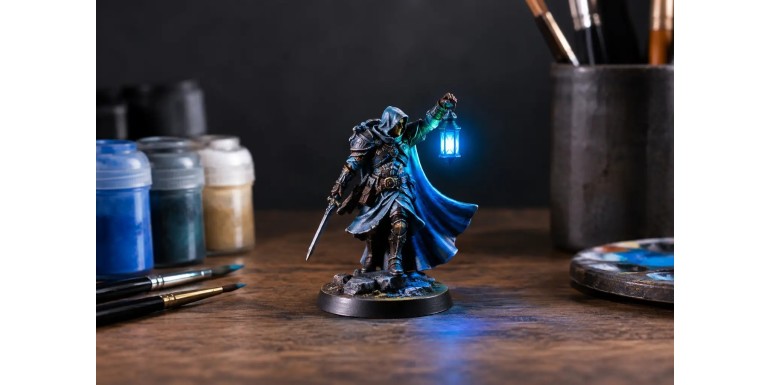
Then come the selective touches. You can leave most of the figure matt and bring back shine only on gems, visors, blood, liquids, or wet elements. This creates a striking contrast of materials and makes the miniature look visually richer without losing its readability.
The same applies to terrain. A stone wall thrives under a matt finish. A puddle, a sewer line, or a muddy area does not. Treat your varnish as a styling tool, not an absolute rule.
What to Look for When Choosing a Good Matt Varnish
Rather than just looking at the brand name, think about your specific needs:
-
If you paint entire armies, you will want speed and uniformity.
-
If you paint competition pieces or busts with intense blending work, you will likely prioritize control and thinness.
-
If you live in a high-humidity area, how a spray behaves will matter much more to you than to someone in a dry climate.
You should also evaluate three factors: how well it actually kills shine, whether it respects the original color tones, and how it behaves over fine detail. A varnish that is too "dead matt" can leave the miniature looking washed out. One that is too subtle might fail to fix those reflections you wanted to eliminate. The sweet spot usually lies in a believable balance, not the most extreme effect.
For many hobbyists, buying this type of product from a specialized store makes all the difference because context matters. Choosing a varnish designed for general crafts is not the same as picking one regularly used in miniature painting, scenery, and dioramas. In a specialized hobby shop like
The Verdict: Should You Always Use It?
Almost always, yes—but with a clear purpose. Matt varnish for miniatures is one of those tools that seems secondary until you see how it transforms the final look of a well-painted piece. It protects, unifies, and improves visual clarity, but it is no substitute for good choices regarding materials and volumes.
If you are unsure, start with thin layers, test on a less important miniature, and observe how each surface responds. In this hobby, the best finish is rarely the flashiest one, but rather the one that lets everything you’ve painted look exactly as it should.